
Creating a Fashion Photography Studio
Setting up a dedicated space for fashion photography requires more than just a camera and a backdrop. It demands a thoughtful approach to design, equipment, and workflow to ensure every shoot runs smoothly and produces high-quality results. Whether you are building a studio for commercial clients, educational purposes, or government projects, the right setup can elevate your work and streamline production.
In this guide, I will walk you through the essential steps and considerations for creating a functional and efficient fashion studio setup. From space planning to lighting choices, I will share practical advice that helps avoid common pitfalls and keeps your studio ahead of the curve.
Planning Your Fashion Studio Setup: Space and Layout
The foundation of any successful studio is its physical space. When planning your fashion studio setup, start by assessing the available area and how it can best serve your needs.
Size and Shape: A rectangular room with high ceilings is ideal. It allows for flexible lighting arrangements and enough distance between the subject and background.
Flooring: Choose a durable, easy-to-clean surface. Polished concrete or hardwood floors work well and add a professional feel.
Walls and Backgrounds: Neutral colours like white, grey, or black provide versatility. Consider installing seamless paper rolls or fabric backdrops on wall-mounted systems for quick changes.
Storage: Allocate space for storing props, lighting modifiers, and wardrobe items. Efficient storage keeps the studio clutter-free and speeds up shoot preparation.
A well-organised layout should include a clear shooting area, a makeup and styling zone, and a comfortable waiting or briefing space. This separation helps maintain workflow and professionalism during busy sessions.

Essential Equipment for a Fashion Studio Setup
Equipping your studio with the right tools is crucial for capturing the essence of fashion. Here are the key components to consider:
Lighting
Continuous vs. Strobe: Strobes offer powerful bursts of light and are preferred for fashion shoots. Continuous lights help with video and previewing shadows.
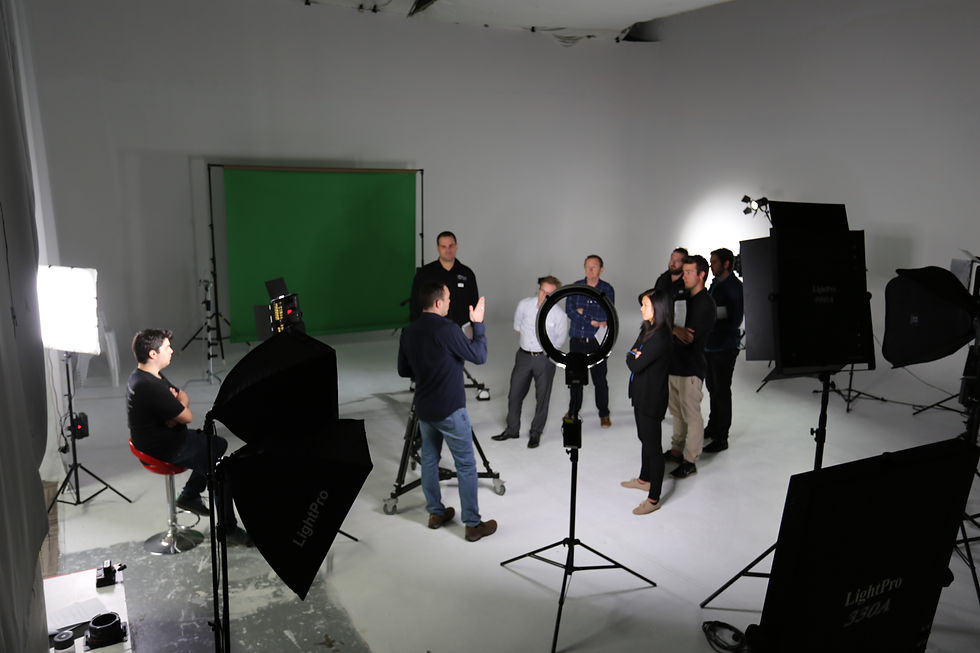
Modifiers: Softboxes, umbrellas, and beauty dishes shape light and reduce harsh shadows. Reflectors add fill light and enhance details.
Light Stands and Booms: Ensure stability and flexibility in positioning lights.
Camera and Lenses
A full-frame DSLR or mirrorless camera with high resolution is recommended.
Prime lenses like 50mm or 85mm provide flattering perspectives for portraits and fashion details.
Zoom lenses add versatility for different framing without changing position.
Backdrops and Props
Invest in a variety of backdrops to suit different styles and themes.
Props should complement the fashion without overpowering the subject.
Tethering and Monitoring
Connect your camera to a computer or tablet for immediate image review.
This setup allows clients and stylists to provide instant feedback.
Comfort and Safety
Include seating, climate control, and non-slip mats.
Ensure all cables and equipment are safely secured to prevent accidents.

Designing for Efficiency and Flexibility
A fashion studio setup must adapt to various projects and client needs. Flexibility in design and equipment arrangement is key.
Modular Furniture: Use lightweight, movable furniture that can be rearranged quickly.
Adjustable Lighting Grids: Ceiling-mounted grids allow lights to be repositioned without cluttering the floor.
Multi-purpose Zones: Design areas that can serve as makeup stations, wardrobe changes, or client meetings.
Power and Connectivity: Install ample power outlets and data ports to support all devices and accessories.
By anticipating different shoot requirements, you create a space that maximises productivity and creativity.
Integrating Technology and Workflow Solutions
Modern studios benefit greatly from technology that enhances workflow and output quality.
Digital Asset Management: Use software to organise and tag images immediately after capture.
Remote Control: Wireless triggers and camera control apps speed up shooting and reduce physical adjustments.
Colour Calibration: Calibrate monitors and printers to ensure colour accuracy from shoot to final product.
Studio Management Tools: Scheduling, invoicing, and client communication platforms streamline business operations.
Investing in these technologies not only improves efficiency but also impresses clients with your professionalism.
Choosing the Right Location and Partner for Your Studio Build
Location impacts accessibility, client perception, and operational costs. Consider proximity to transport, parking, and complementary businesses like fashion boutiques or design schools.
Partnering with an experienced studio builder can make a significant difference. For example, Dragon Studio Solutions specialises in custom photo and video studio builds tailored to business, government, and educational needs. Their expertise helps avoid common mistakes and ensures your studio incorporates the latest technology and design trends.
Selecting a reliable partner guarantees a smooth build process and a final space that meets your exact requirements.
Final Thoughts on Creating a Professional Fashion Studio Setup
Building a fashion studio setup is an investment in your creative and business future. By focusing on space planning, quality equipment, flexible design, and technology integration, you create an environment that supports high-quality production and client satisfaction.
Remember, the goal is to build a space that is not only visually appealing but also functional and efficient. With careful planning and the right partnerships, your studio will become a hub for professional fashion photography that stands out in the competitive market.


The point about planning lighting setups and background choices for a fashion photography studio is well made. While organizing a shoot, I often think about how to manage the accompanying video content, such as mood boards or behind-the-scenes clips. For anyone who curates YouTube playlists of visual references, a playlist length calculator can be a handy free tool to check total durations without watching everything. It's not essential for studio work, but it can help with scheduling and research.
Fashion photography needs a studio setup that supports both precise lighting and the creative direction of the shoot. When reviewing images and planning digital mood boards, online screen tools can help check how color and display details are coming through.
Setting up this studio sounds intense but rewarding; having a modular layout really helps. I’d definitely use a reliable md to docx tool to share these specs easily. It’s great advice for anyone serious about photography workflows.
Read "Designing Studios for Fashion Shoots" a moment ago, and I liked how clear and grounded the writing felt. Definitely bookmarking this one. binary text converter